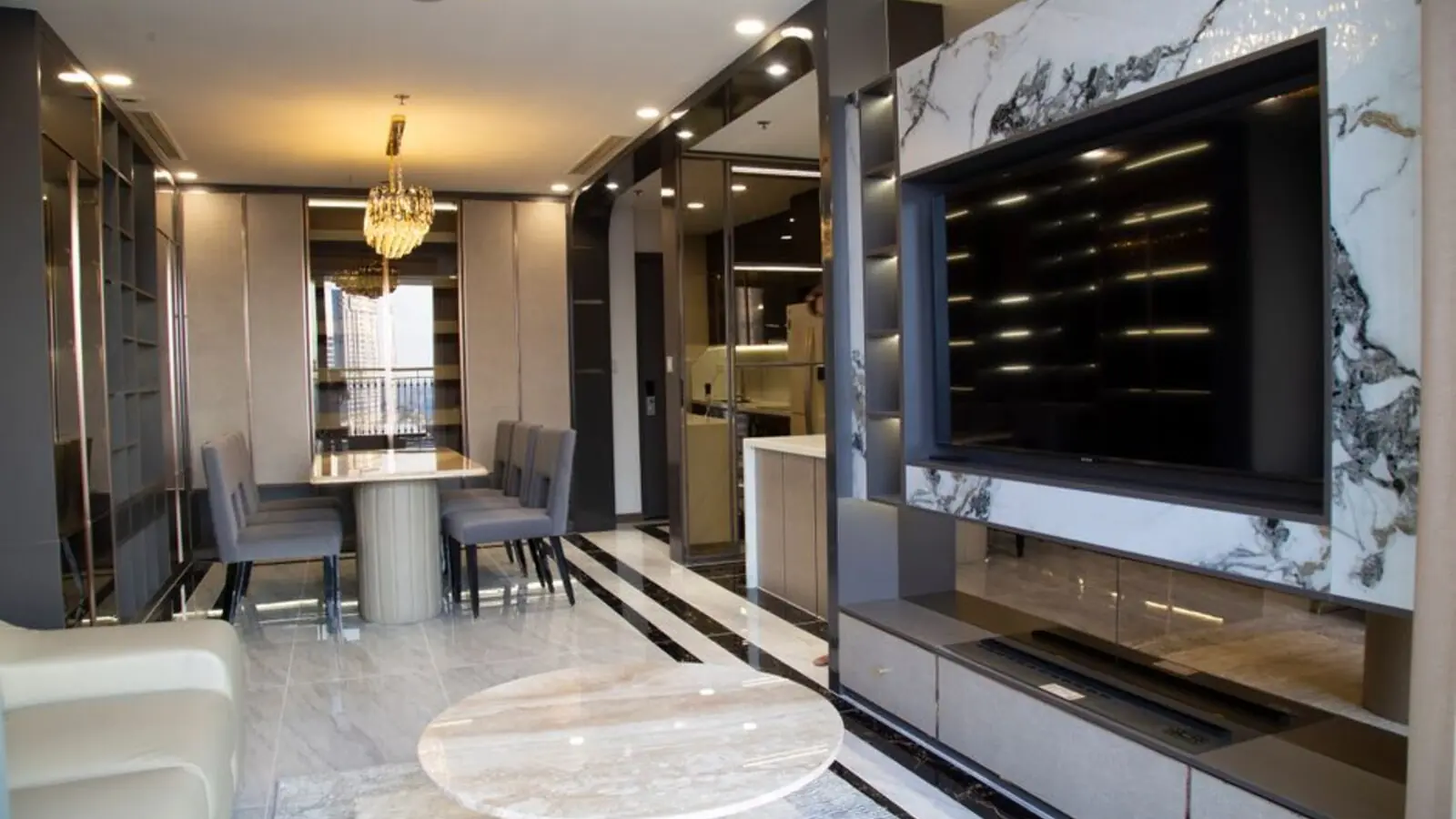
Metro expansion and the Regional Ring Road are redrawing West Hyderabad's real estate map.
Enquire NowWest Hyderabad's transformation from a quiet fringe zone into the city's primary growth corridor did not happen overnight. It began when IT majors set up base in Gachibowli and HITEC City, pulling residential demand westward. Today, two infrastructure projects are accelerating that shift further: Hyderabad Metro Phase 2 and the Regional Ring Road (RRR).
Metro Phase 2 is designed to push rail connectivity deeper into the western belt. The Hyderabad Metro currently ends at Raidurg, but the planned Phase 2 expansion aims to push rail deeper into the western corridor, with the Raidurg–Kokapet Neopolis and Miyapur–Patancheru routes forming part of the plan. Overall, the proposed expansion spans roughly 76.4 kilometres across five corridors, including routes such as Nagole to Shamshabad Airport, Raidurg to Kokapet Neopolis, Miyapur to Patancheru, MGBS to Chandrayangutta, and LB Nagar to Hayat Nagar. Reports indicate the 76.4 km expansion across five corridors would be executed within four years, with funding sourced from the state, central government, multilateral loans, and PPP arrangements.
The impact on housing demand is already being tracked by analysts. Metro connectivity tends to influence housing demand by improving accessibility between residential districts and employment centres, and this is particularly relevant for corridors linking the western technology belt with emerging residential clusters. The proposed Raidurg–Kokapet Neopolis line, for example, strengthens access between an established office hub and one of the city's fastest-growing premium residential zones. Localities such as Kokapet, Miyapur, Tellapur, and Patancheru may see higher housing demand, stronger rental activity, and gradual property price appreciation due to improved commuting and infrastructure development.
Running in parallel is the Regional Ring Road, a 340-km eight-lane expressway that circles the city, connecting more than 40 major towns and highways and complementing the existing Outer Ring Road by extending the city's development boundaries up to 30–40 km further. The RRR is being developed under Phase 1 of the Bharatmala Pariyojana project, with an estimated budget of ₹17,000 crore, and the National Highways Authority of India is overseeing its construction. Beyond easing traffic congestion, the RRR is expected to spur real estate development, industrial expansion, and investment opportunities along its corridor, playing a role in decentralizing Hyderabad's urban landscape and encouraging planned suburban growth.
The numbers already reflect this momentum. Average property prices across Hyderabad have risen approximately 14% year-on-year, with western corridor micro-markets such as Patancheru, Kokapet, and Tellapur leading the charge, and the city recorded over 42,000 residential unit registrations in the first half of the year. According to Knight Frank's India Real Estate Report, Hyderabad ranked number one in residential price growth among major Indian metros. Micromarkets such as Kokapet, Neopolis, and Narsingi have witnessed rapid development supported by road infrastructure and employment growth, with the western region continuing to attract substantial residential activity due to its proximity to technology and financial services hubs.
The Outer Ring Road offers a preview of what sustained infrastructure investment can do to a corridor. Once it was fully operational, the distance between places like Velimela or Tellapur and the Financial District stopped being a problem, and a 12 to 15 minute drive replaced what used to be a long and painful commute — a shift that opened up the entire western corridor for growth. Analysts expect Metro Phase 2 and the RRR to repeat that pattern, this time pushing the growth frontier further outward.
For homebuyers, the takeaway is straightforward: infrastructure investment typically precedes real estate appreciation, and areas aligned with transport corridors, employment hubs, and large-scale planning initiatives are likely to see stronger residential activity and continued investor attention as the city evolves. SOBHA's presence across Kokapet, Financial District, Somajiguda, and Nallagandla places its developments directly within this infrastructure-led growth zone, offering residents both immediate connectivity via the ORR and long-term upside as Metro Phase 2 and the RRR come online.
Kunnumpuram, Kakkanad, Kochi
Mixed-Use: Residential, Commercial & Institutional • Price on request
31.43-acre mixed-use metro township
Chandivali, Andheri East, Mumbai
2, 3, 4 BHK • Rs 2.70 Cr onwards
Upcoming SOBHA address between Powai & Andheri
Feroke, Kozhikode
3, 4 BHK (Expected) • Price on Request
Riverfront address on the Chaliyar

Rajendra Nagar, Hyderabad
2, 3, 4 BHK • Price on Request
Upcoming SOBHA address in South Hyderabad
PGA Parkway District, Frisco
TBA • Price on request
100-acre luxury residential community
Sector 150, Noida
2, 3, 4 BHK • Price on request
Upcoming Sobha address in Noida's greenest sector
Sector 73, Gurgaon
2, 3, 4 BHK • Price on Request
Upcoming luxury homes on SPR

Sector 97, Noida
2, 3, 4 BHK • Price on Request
SOBHA's upcoming address on Noida Expressway
This site is published for general information only and is not an offer or contract. Prices, plans, and specifications are indicative and may change without notice. Buyers should verify all details independently before deciding. About · Projects
Share your details and our expert will call you back.